Walk through enough industrial projects gone wrong and a pattern shows up fast. The concrete looks fine. The steel looks fine. The actual problem traces back to a decision made during planning, long before equipment ever arrived on site — usually a load calculation that didn't account for what the building would actually carry once operations started.
That gap between residential thinking and industrial reality is exactly why genuine industrial construction solutions matter so much before a single foundation gets poured. A warehouse holding pallets and a plant running heavy machinery around the clock are not the same engineering problem wearing different clothes — they're entirely different problems, and treating them the same way is how cracks show up eighteen months after handover.

Why General Builders Struggle With This Category Specifically
Most contractors competent at residential or commercial work have never actually faced the load demands an industrial site creates. Continuous machinery vibration, sustained heavy weight distribution, drainage built around manufacturing processes rather than rainfall — none of that shows up in standard construction training, and the gap becomes obvious fast once a contractor without that background takes on industrial work.
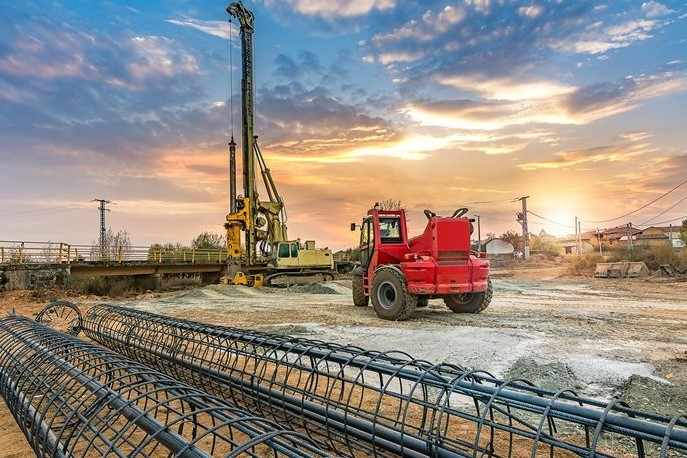
Proper industrial construction solutions depend on ground improvement and deep foundation expertise that general builders rarely develop, simply because the demand for it never comes up in residential or typical commercial projects. Stone columns, deep soil mixing, vertical drains — these aren't optional extras on poor industrial soil. They're often the difference between a structure that holds and one that settles unevenly within a few years of operation.
What Separates a Real Industrial Construction Company From One Just Taking the Job
A genuine industrial construction company plans around that pressure from the first conversation rather than reacting to it once problems surface mid-build. Equipment availability, skilled labour deployment, material sourcing at scale — all of it needs coordination that smaller contractors handling one residential job at a time never build the operational capacity for.
Questions Worth Asking Before Anything Gets Signed
Comparable project history matters more than general experience. Equipment ownership versus rental dependency affects both cost and how fast a team can actually mobilise. Ground improvement capability deserves a direct question too, since industrial soil conditions frequently demand stabilization work before any foundation work can safely begin.

Tiara Infrastructure delivers ground improvement, piling, sheet piling, and structural projects across major Indian cities, with owned equipment supporting industrial timelines that genuinely cannot absorb delays.

Write a comment ...